
Before You Buy Those Mums
Let's get one thing out of the way: I'm not anti-mum. I get the appeal. Nothing says "fall is here" quite like a pot of blooms in rust, gold, and magenta by the front door. I just want you to know what you're buying, because most people end up disappointed.
Here's the thing about florist mums. They're grown to bloom on a schedule, so by the time they land on the shelf, they're already at full flower. You're buying the end of the show instead of the beginning. That means about two weeks of color, maybe three if the weather cooperates. Then you've got a pot of brown to deal with right when you want the front of the house looking good for the holidays.
If that sounds familiar, keep reading. Here are a few tips and solutions for enjoying mums without all the heartbreak.
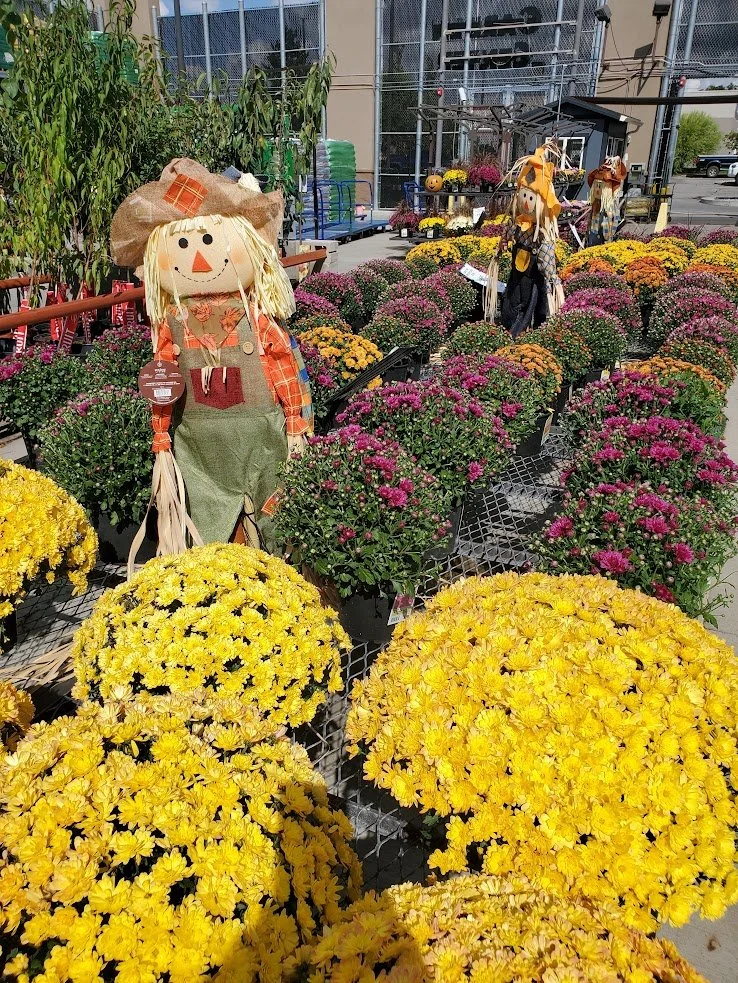
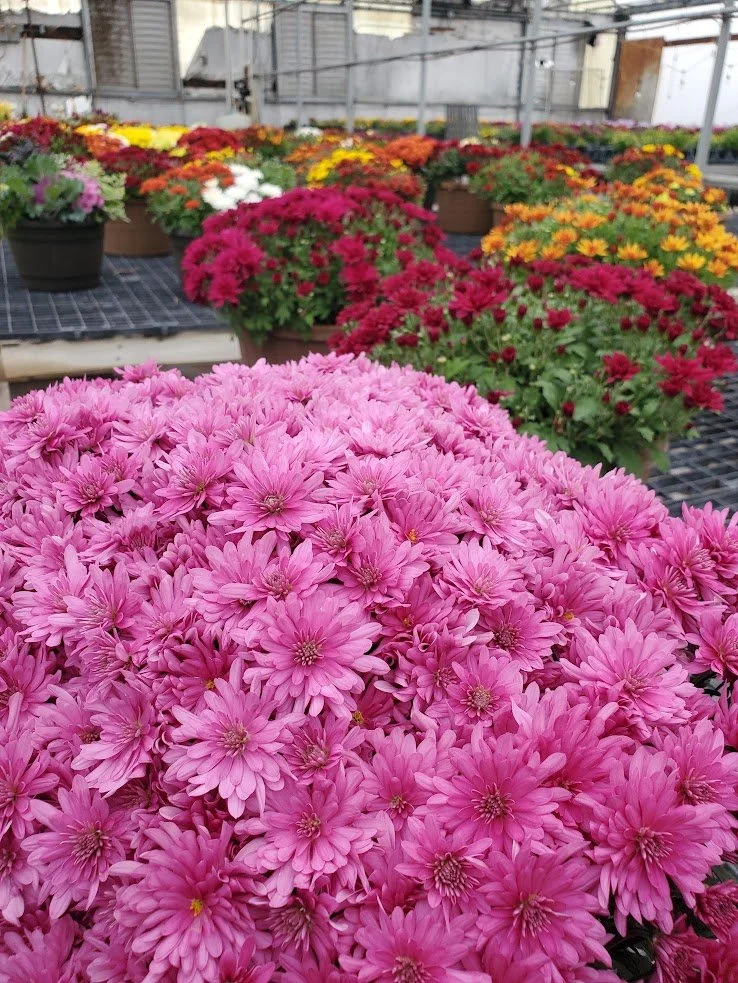
Mums at every garden center starting in September.
Solution #1: Plant Your Mums With Something Else
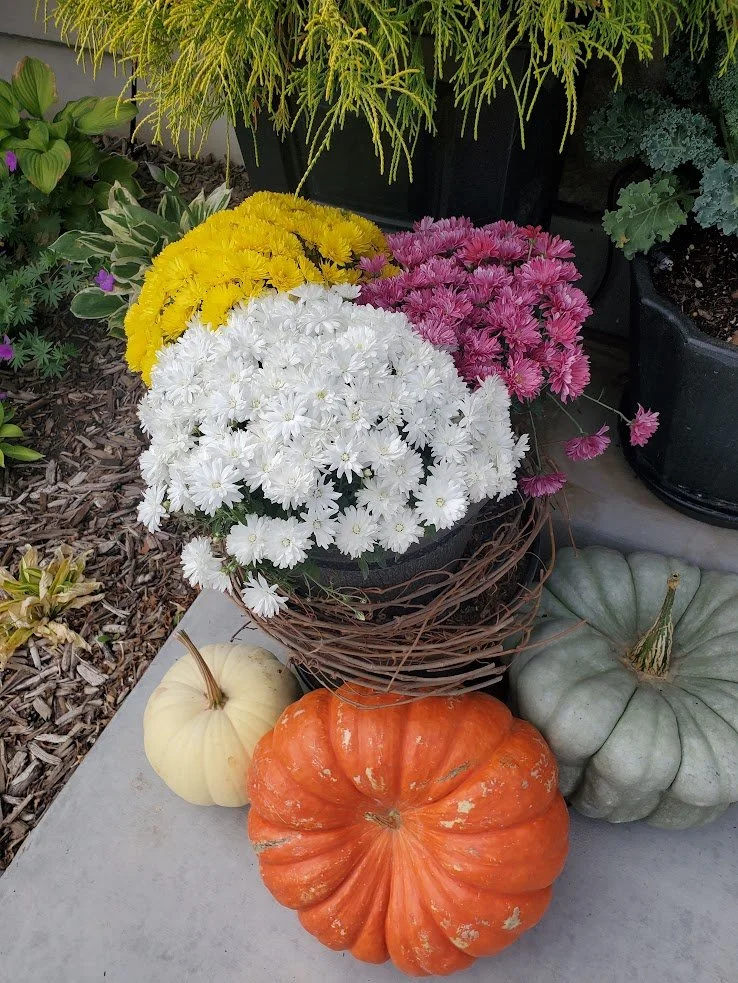
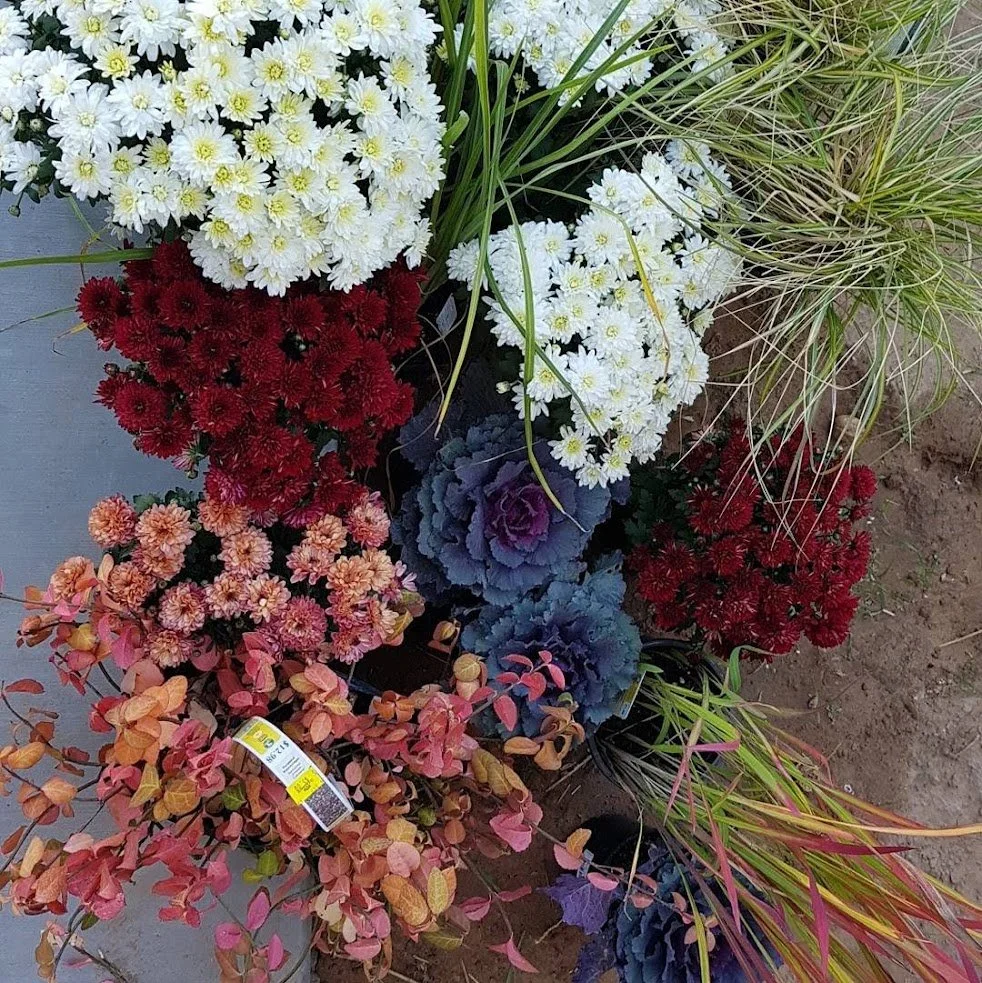
The easiest fix is to stop asking mums to carry the whole pot. Plant them alongside other plants, and when the blooms fade (and they will), the pot won't look sad. The companions keep the container looking full and put-together while the mums finish up.
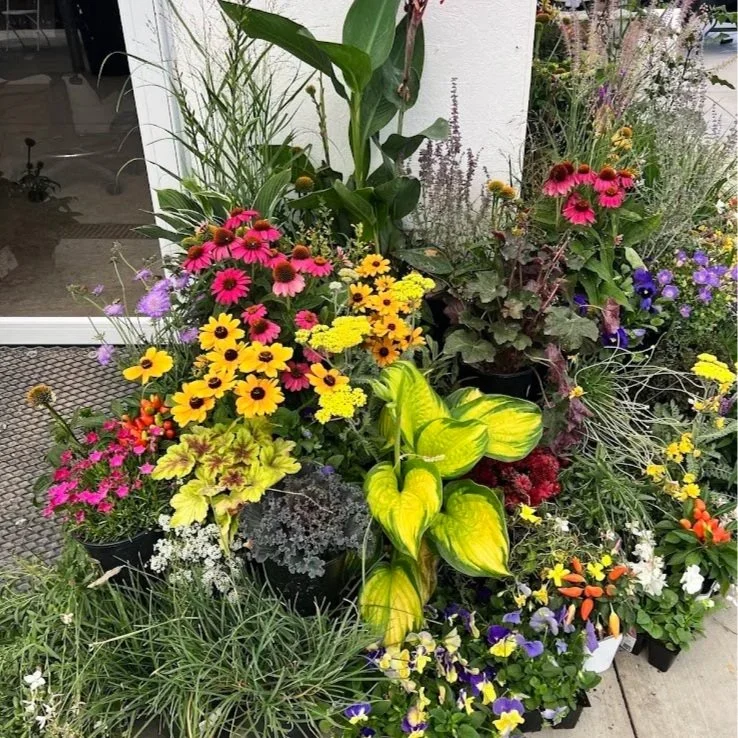
Garden centers always have fresh plants in full bloom in the fall, perfect for containers, and as companions to mums.
Solution #2: Buy Buds, Not Flowers
If you can't resist mums anyway, and honestly, who can, change when and how you shop. Skip the plants that are already fully open and look for tight green buds with just a little color breaking at the tips. You want about a quarter of the plant open. It might not look as impressive in the parking lot, but you'll get weeks more out of it at home.
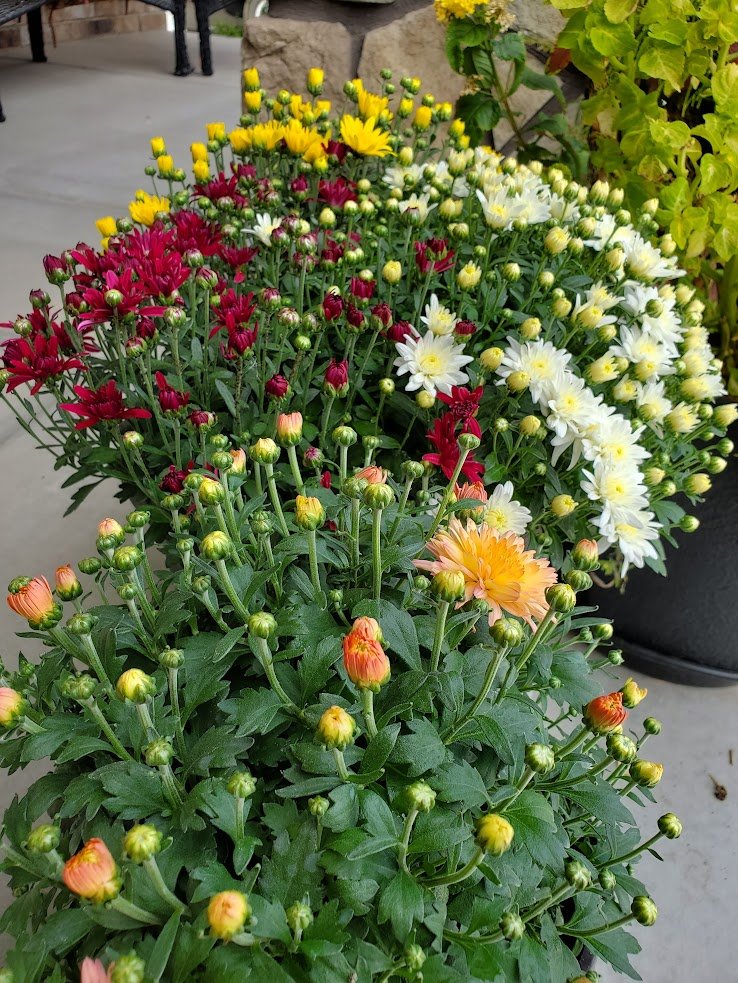
Buy mums at bud stage for longer-lasting bloom time.
A Few More Buying Tips
Start by reading the tag. Look for the words "hardy" or "garden" mum, and check the zone. Those are the ones that can actually come back. Then check the whole plant, not just the top. You want green stems and leaves all the way to the bottom, not just a pretty canopy hiding a tired plant. Finally, buy the biggest pot you can. Small pots dry out twice a day in September sun, and a thirsty mum browns out fast.
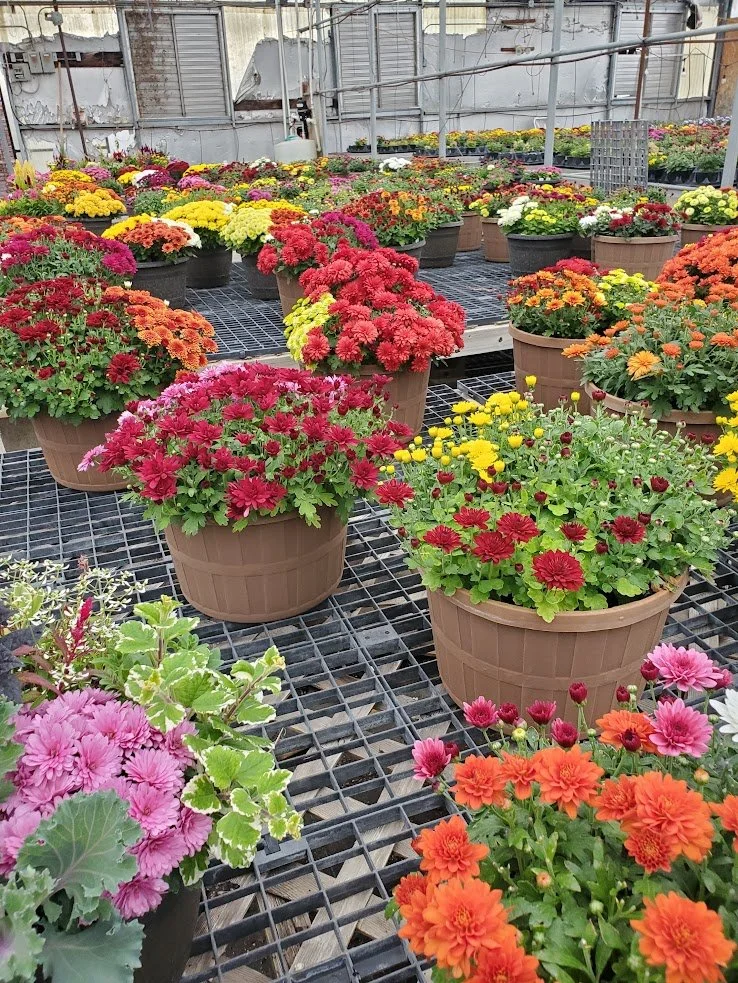
Caring for Your Mums
Once you get your mums home, water them once or twice a day, and water the soil, not the flowers. Wet blooms brown out quickly. As blooms fade, pinch them off. It looks cleaner and sends the plant's energy into what's left.
Mums can handle a light frost just fine, but a hard freeze is the end of the line. If you want to try planting yours out in the garden, do it by mid-October, not November, so the roots have time to settle in. From there, keep watering until the ground freezes, and leave the dead stems standing all winter. Then, maybe, it'll come back.
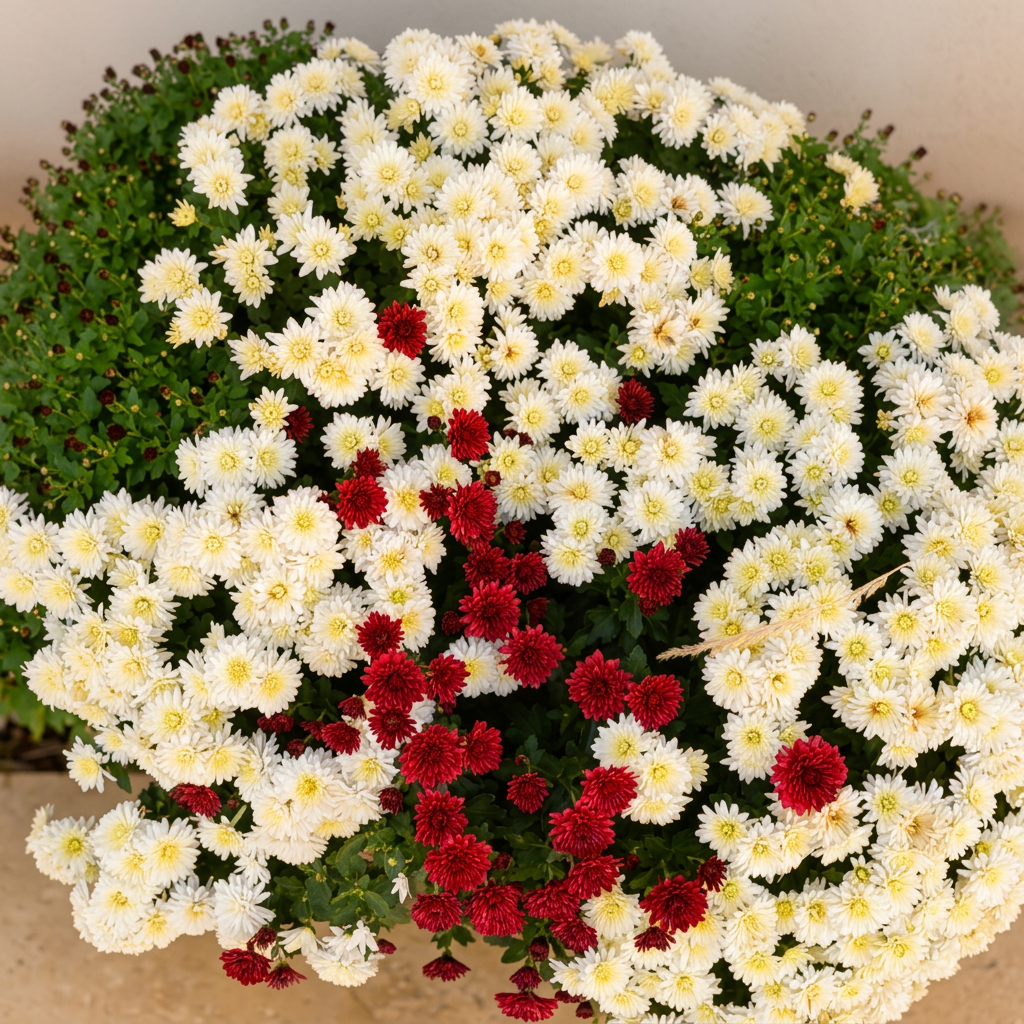
Garden mums in the ground year two. (The next spring I spread them throughout my landscape.)
Solution #3: Buy Something Else
Here's my favorite fix: skip the mums entirely. Plenty of other annuals can give you that same fall feeling without ending up with a pot of dead mums.
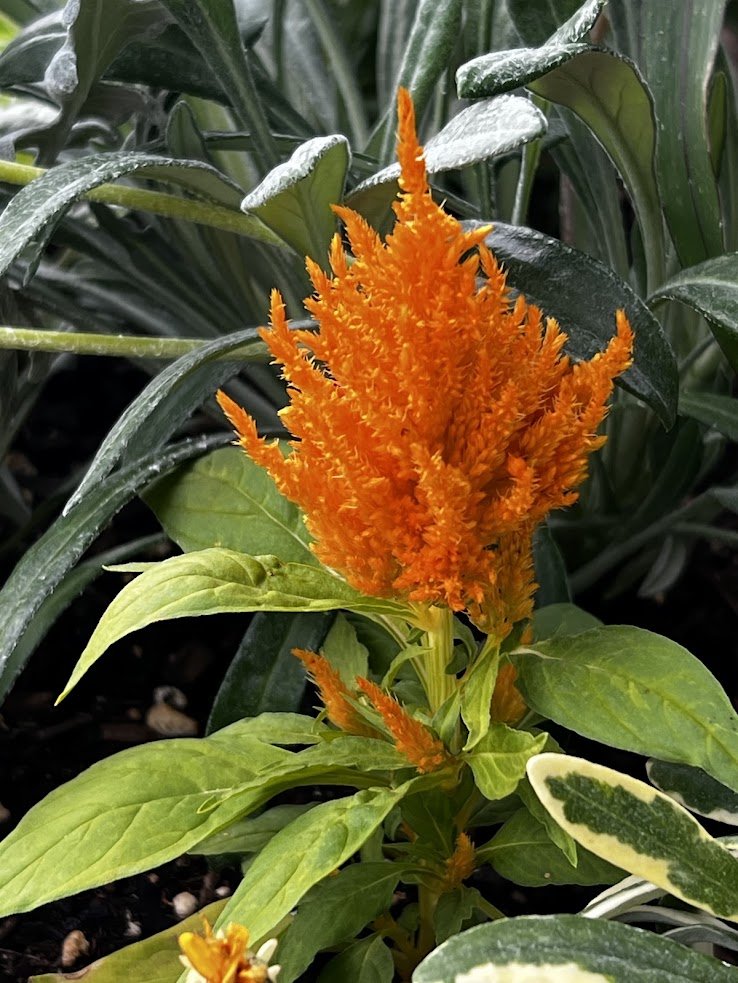
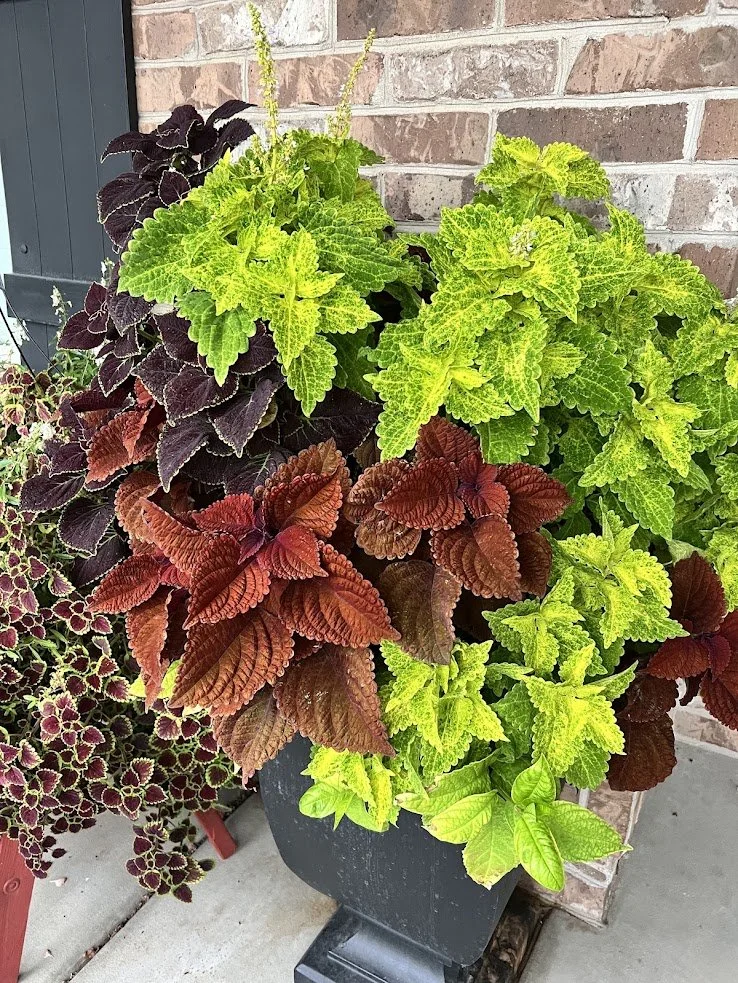
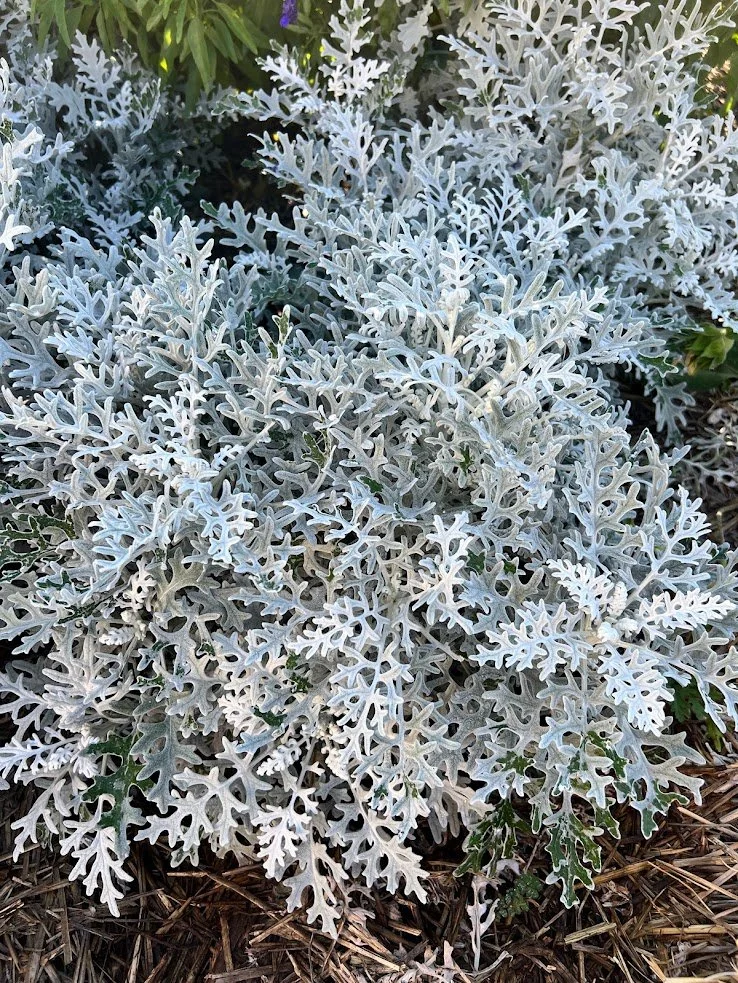
Some are worth it just for their two months of color. Ornamental peppers are a great example. The fruit holds its color into late October, and the dark foliage beats any mum. Celosia is another good one, since it dries standing and keeps its color even after it's dead. Coleus looks gorgeous in October light, though it's gone with the first frost. And dusty miller, with its silvery, lobed foliage, brightens up whatever fall plants you pair it with.
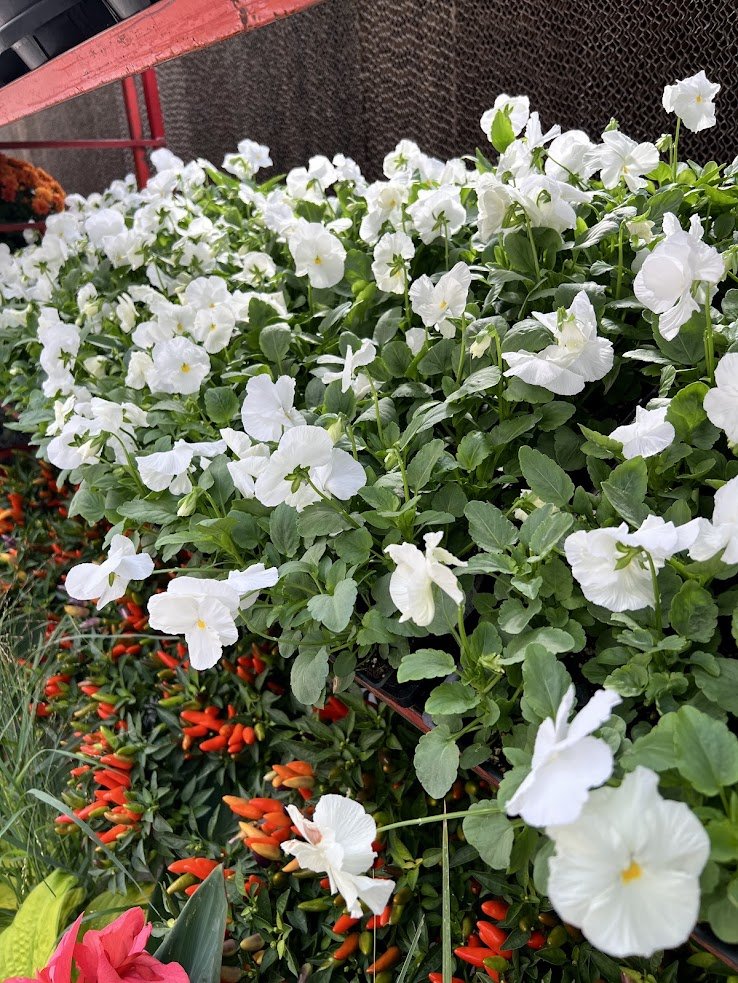
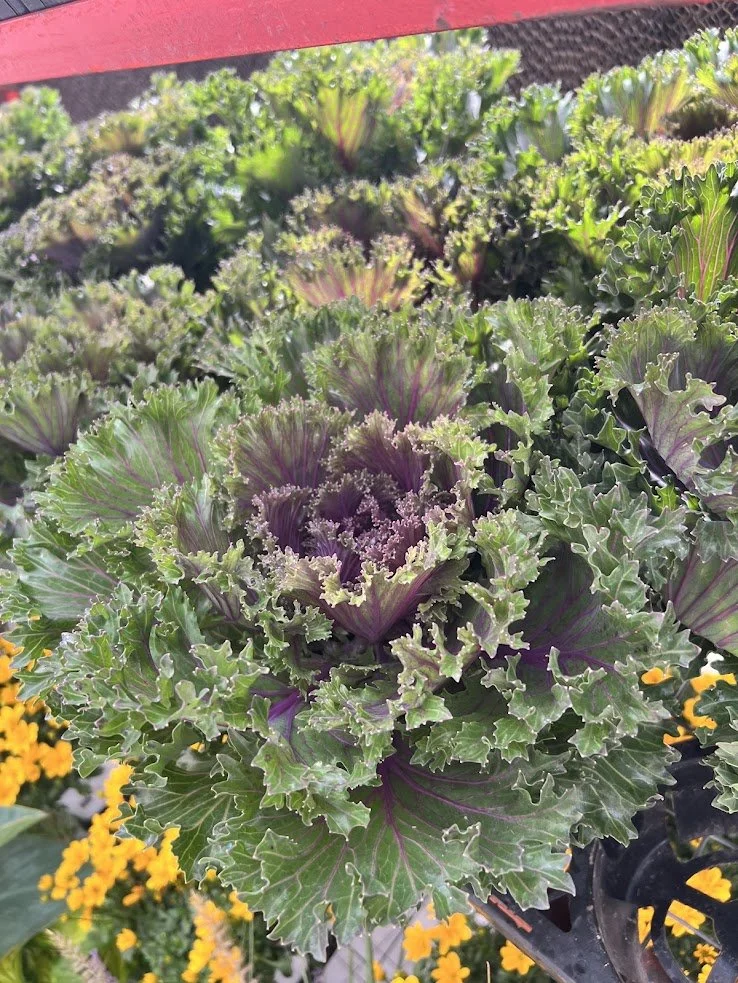
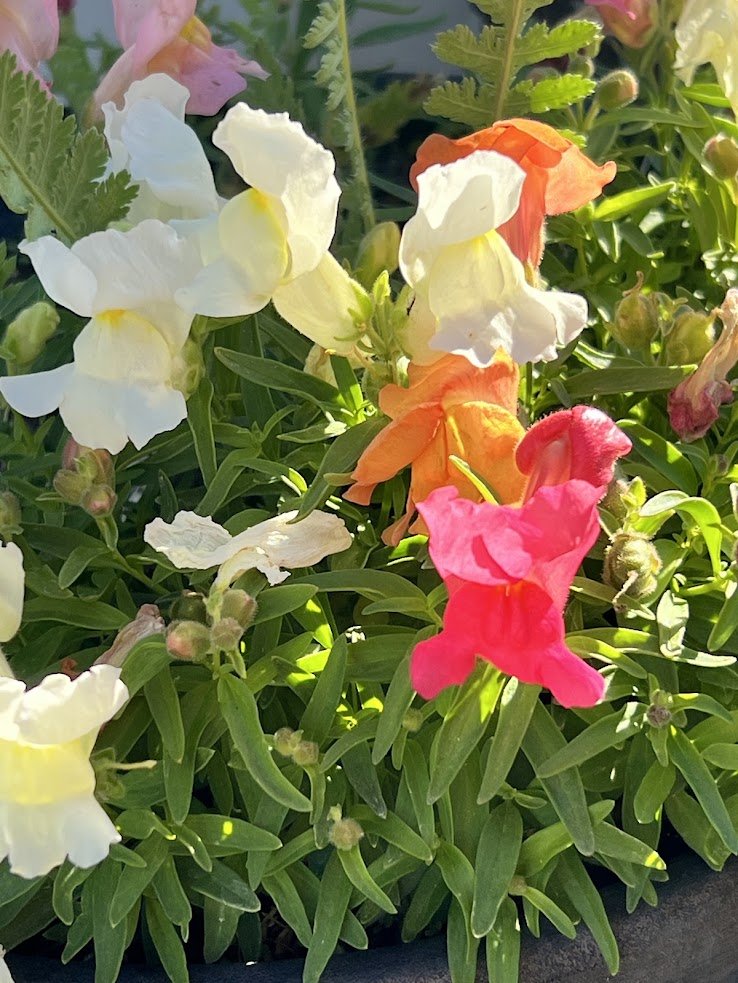
Other annuals will carry you through to spring. Pansies and violas sulk under snow, then take off in March, and violas are tougher than pansies. Ornamental kale and cabbage show their color only after frost, and 'Redbor' adds height and movement. Swiss chard has neon stems, tolerates freezing, and you can eat it. Snapdragons look dead in February but flower in May more often than people expect.


Solution #4: Plant Perennials in Your Pots
If you'd rather not replant every year, skip the annuals and fill your pots with perennials. Move them into the ground later and you can enjoy them for years.
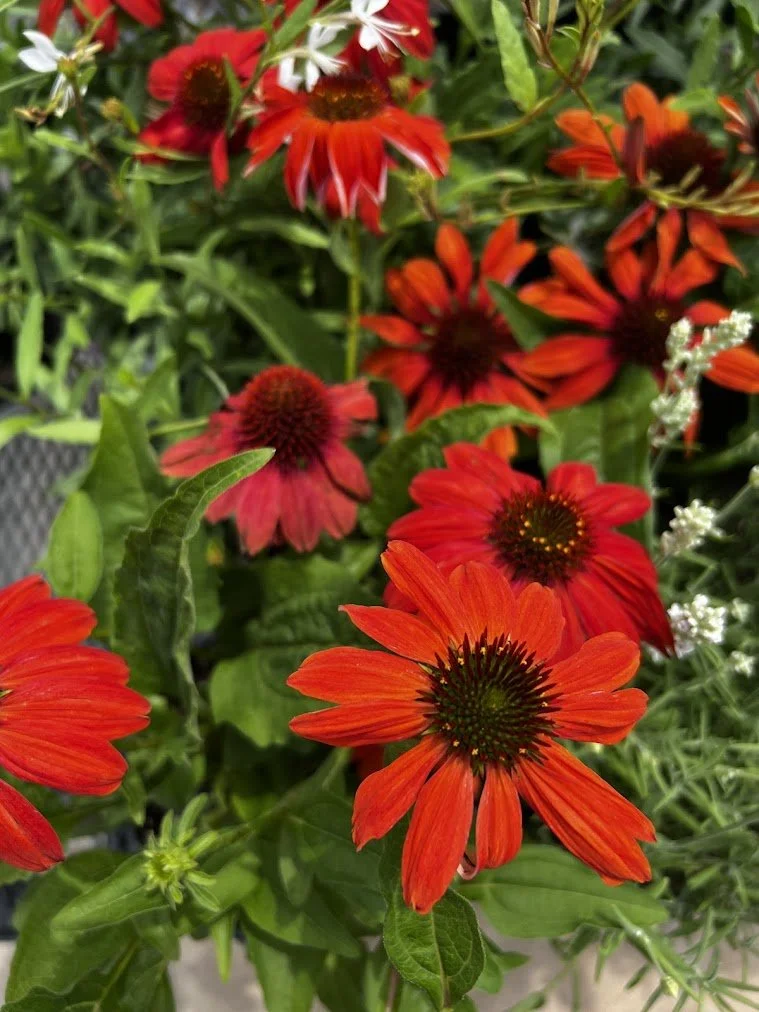
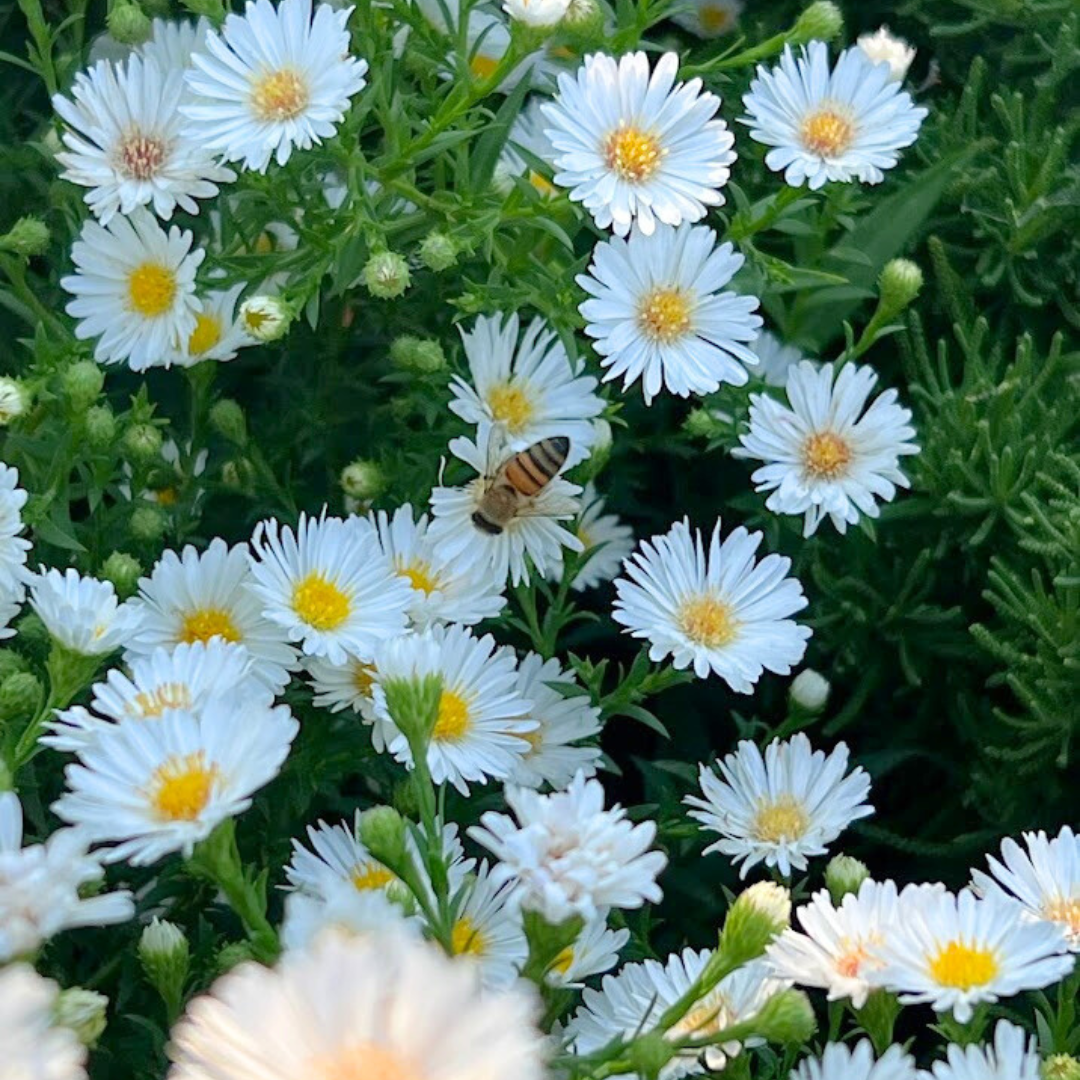
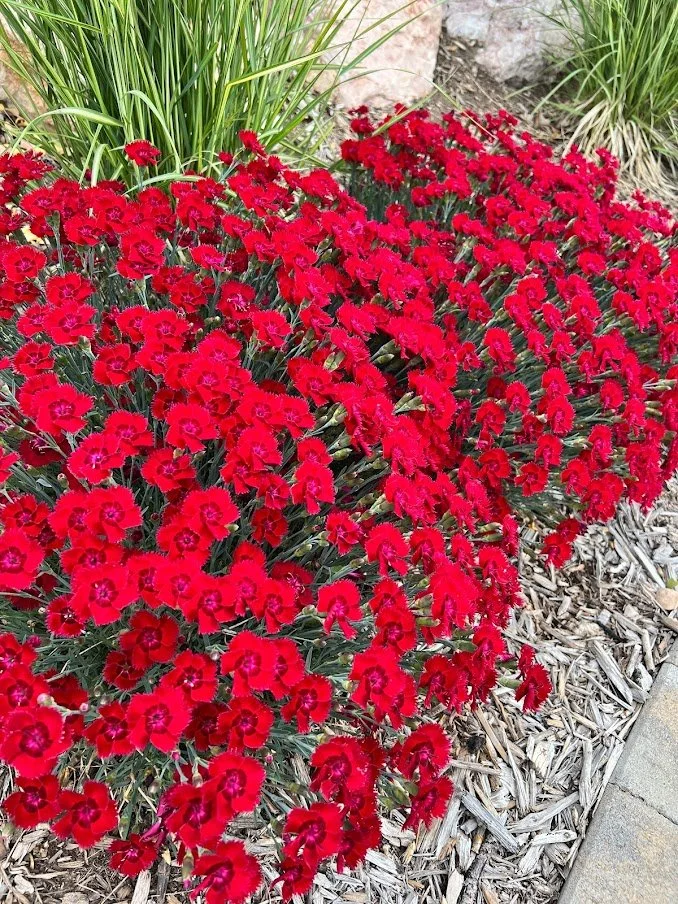
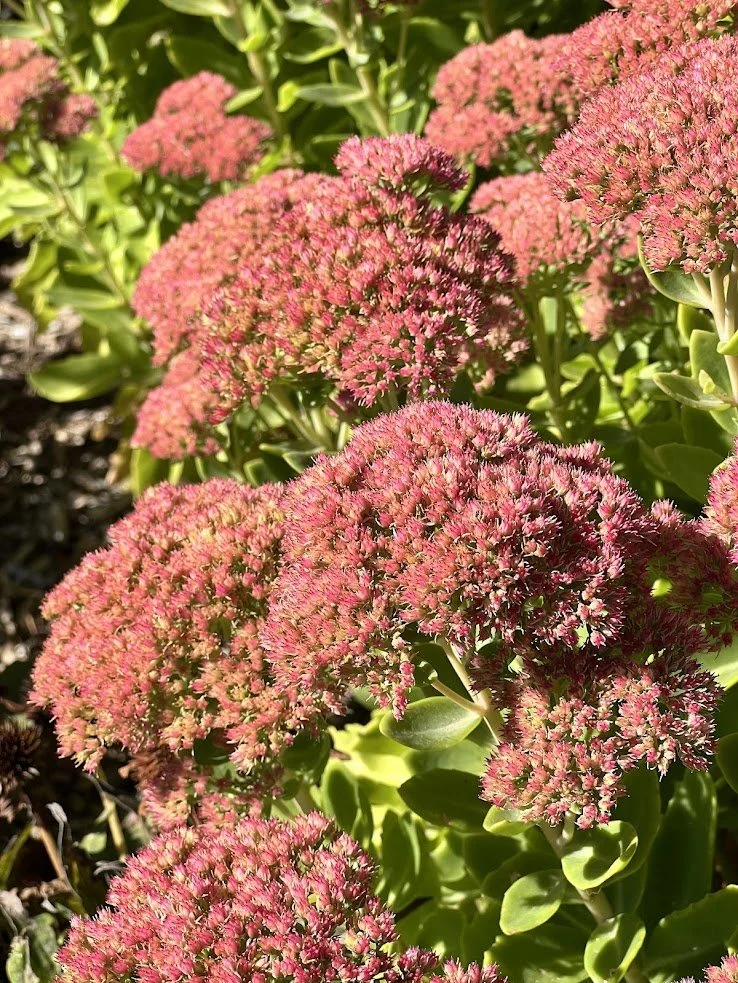
If you want blooms, echinacea is in bloom at nurseries right now and keeps going until a hard freeze, then the seedheads stand through the snow. The aster 'October Skies' blooms into late October and is covered in bees. Dianthus blooms through hard frost and stays evergreen. Sedum moves from green to rose to rust over about eight weeks, then keeps its seedheads all winter.
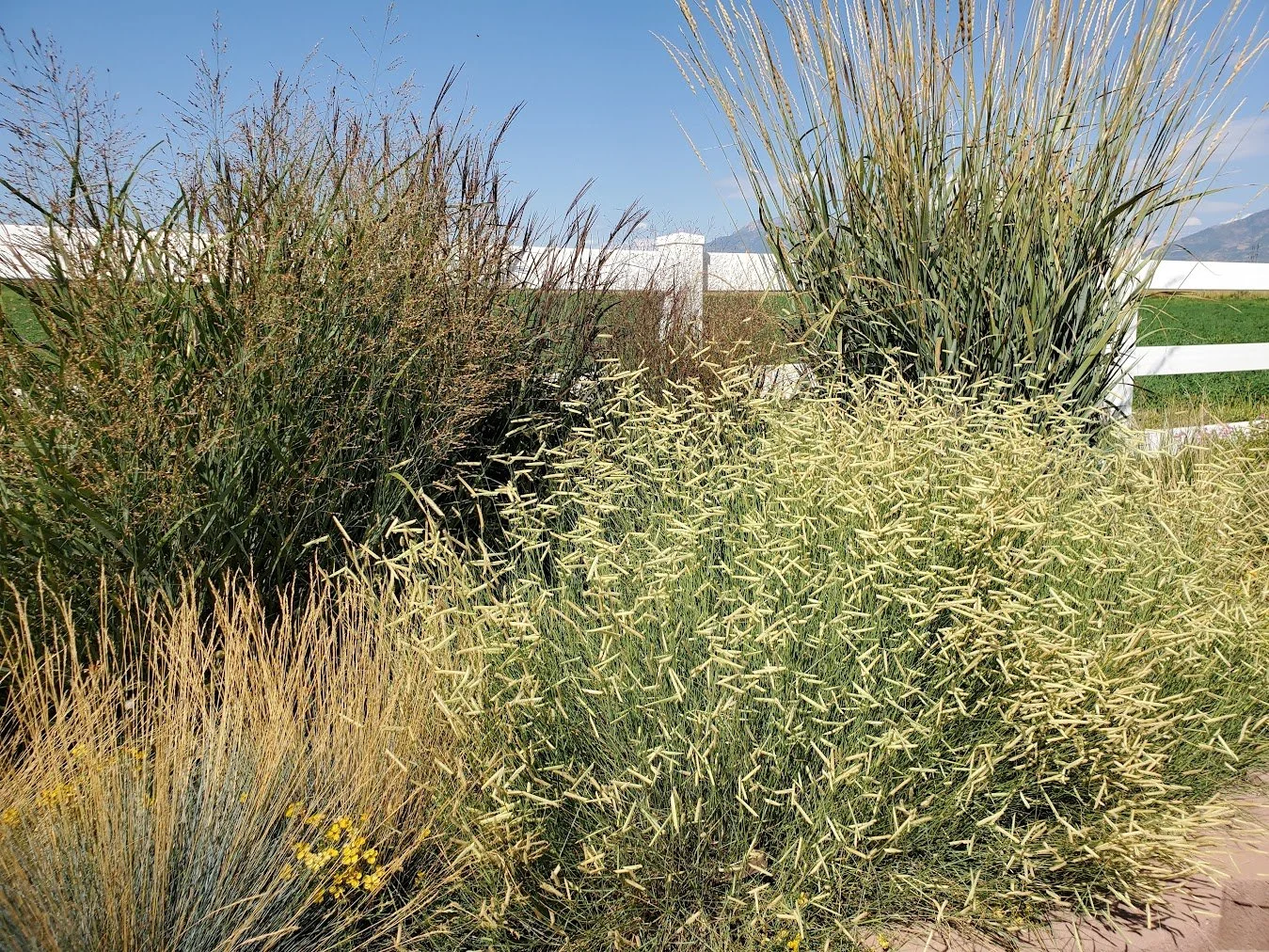
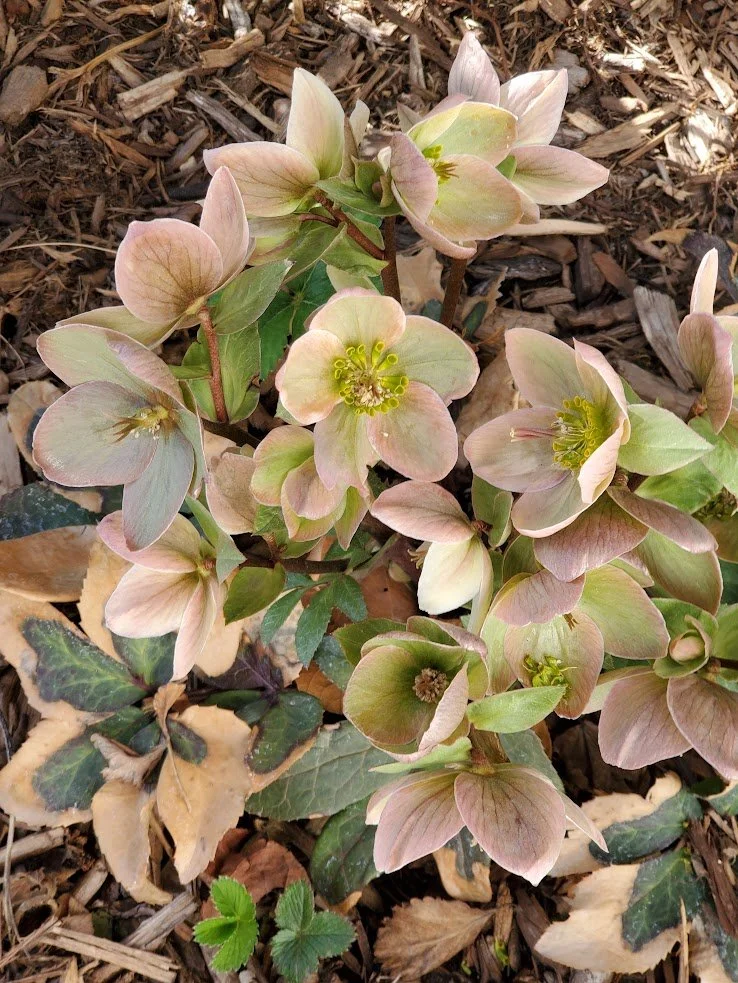
If foliage is more your style, ornamental grasses are hard to beat. Little bluestem turns copper in September and is still standing in March. Heuchera brings caramel, amber, and plum foliage that holds through snow. Hardy geranium 'Rozanne' turns scarlet in October, and it's tough, easy to grow, waterwise, and spreads into a clean, pretty groundcover. Hellebore gives you foliage now and flowers in February, when nothing else is blooming.


Shrubs: The Best Fall Color Per Square Foot
If you want the biggest payoff, think about a shrub. Fothergilla shows yellow, orange, and scarlet on the same leaf. Itea 'Little Henry' turns burgundy and holds it into December. Rhus 'Gro-Low' is a screaming orange-red that's native and waterwise. And Cotinus is dark purple all summer, then red-orange in fall.
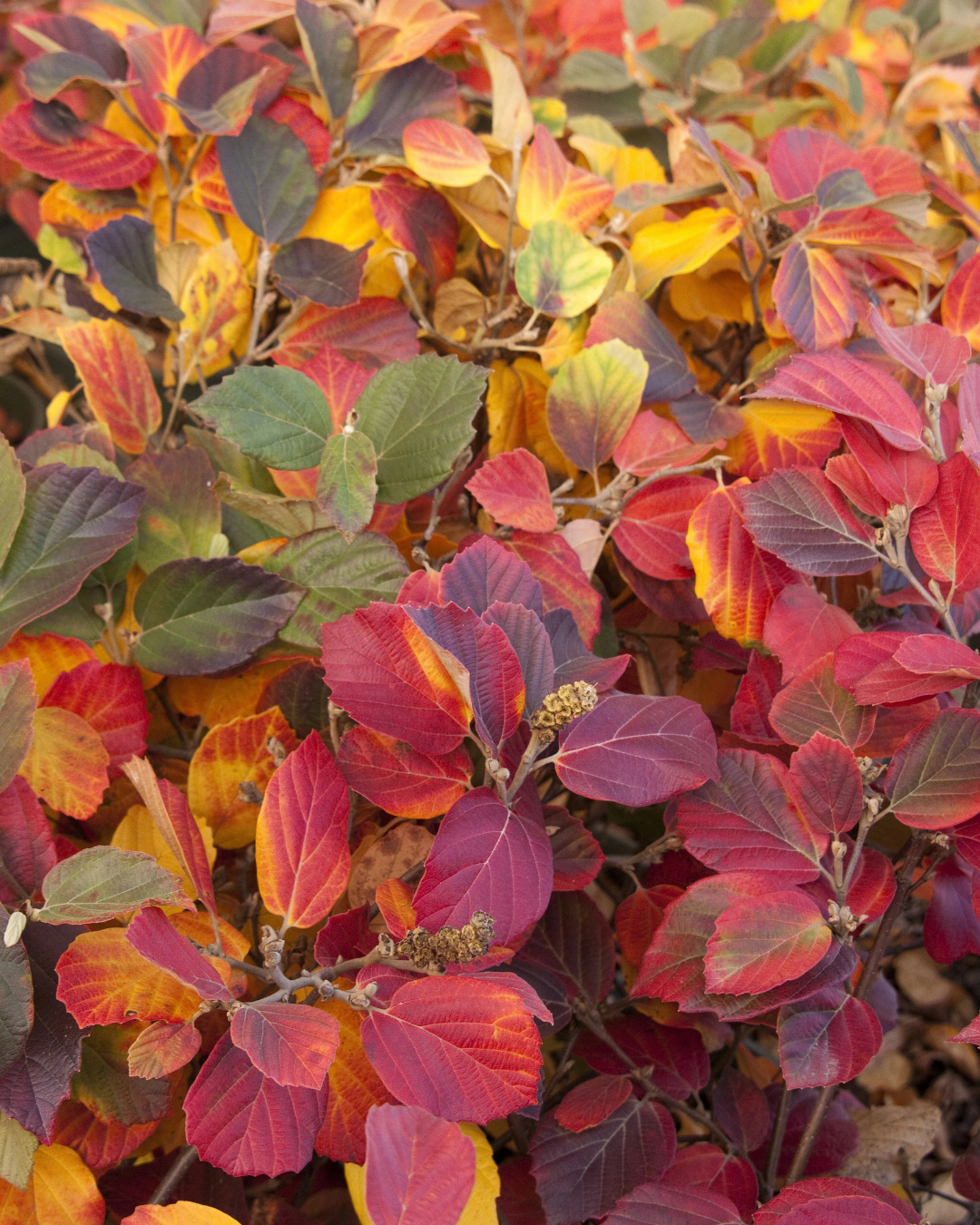
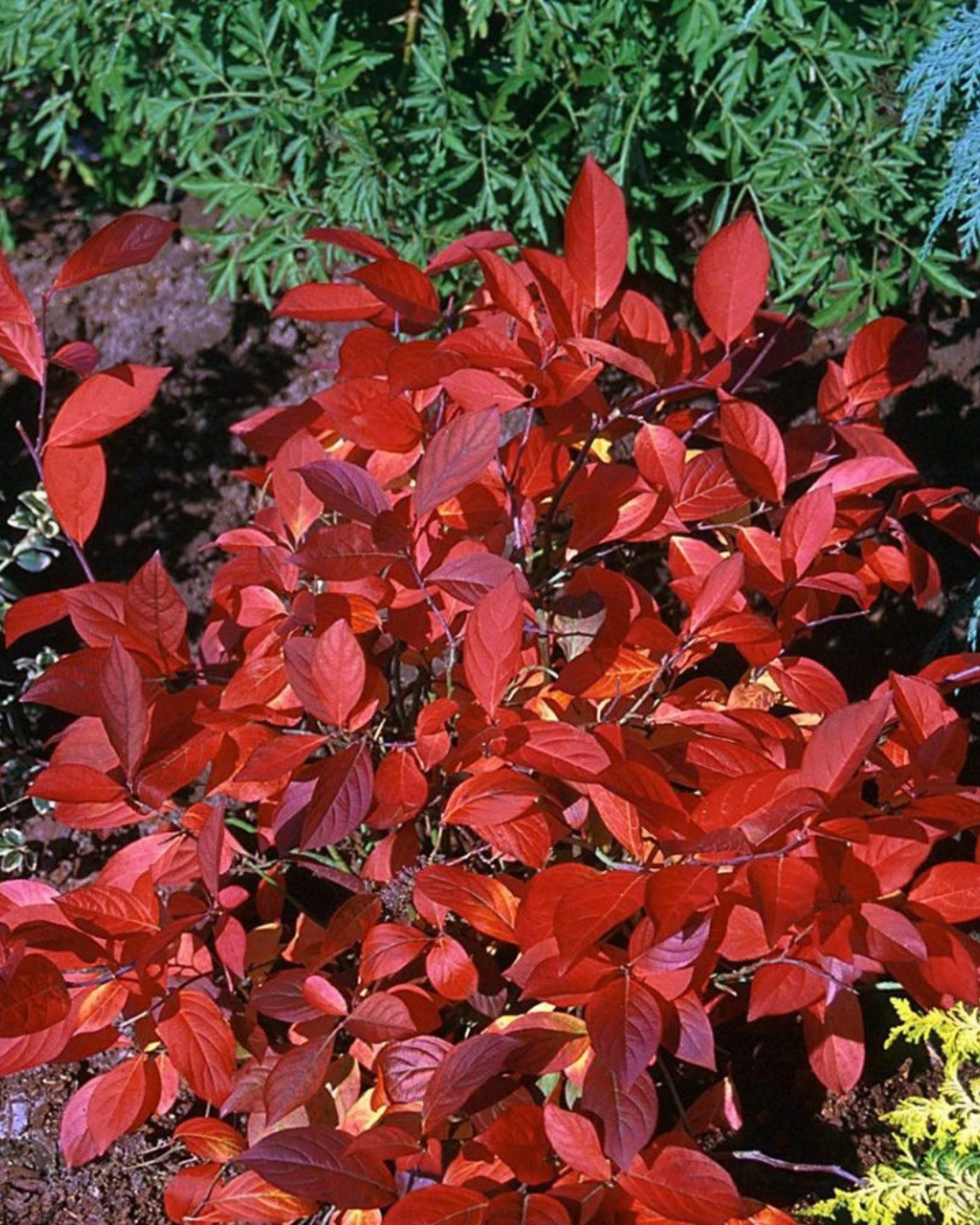


Shrubs do cost more up front, but then they're yours for twenty years. Compare that to the mum you'll be replacing next September.
So, What Are You Planting Instead of Mums?
Whether you go with buds, pair your mums with companions, or skip them altogether, the goal is the same: a front entry that still looks good when the holidays roll around.